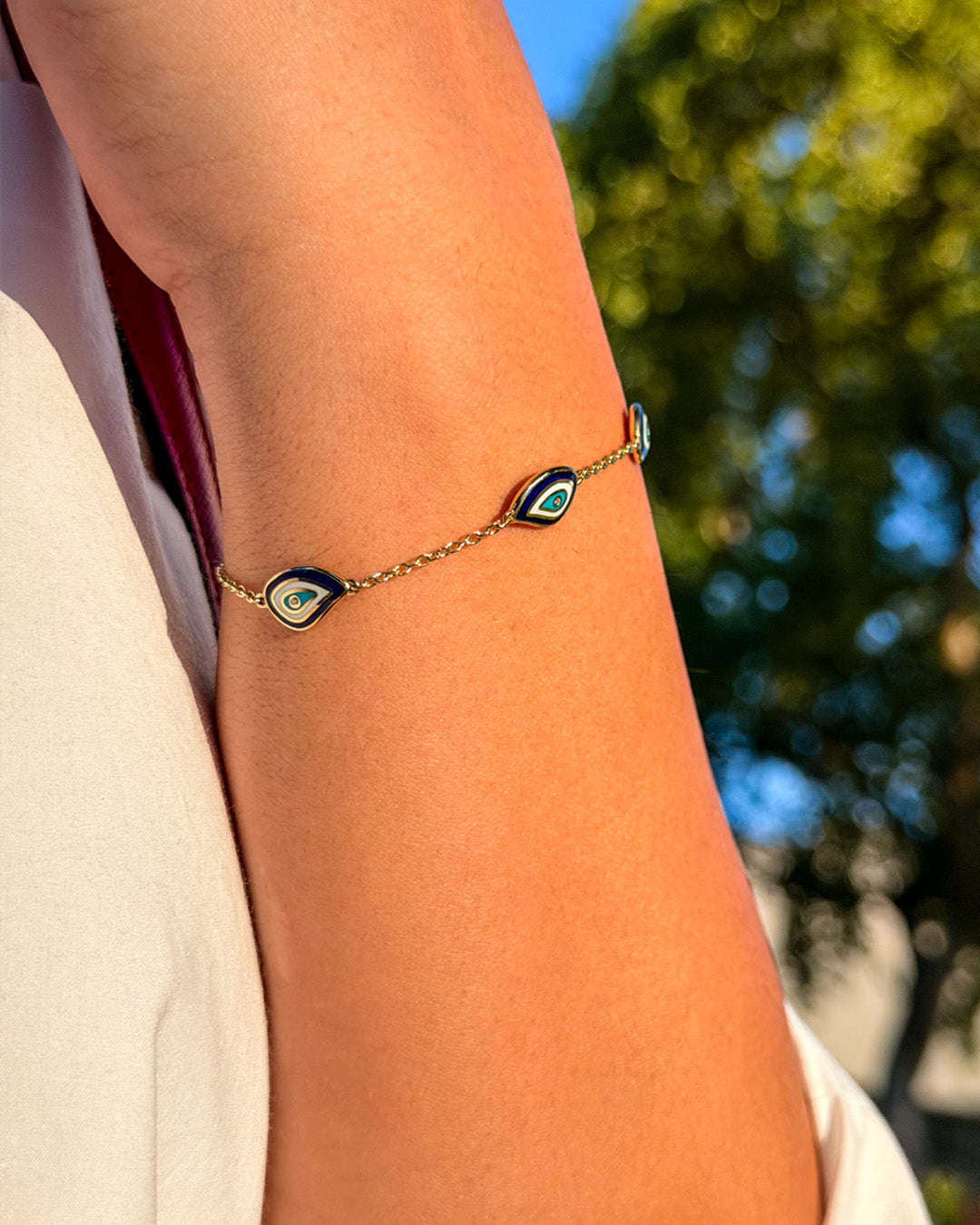
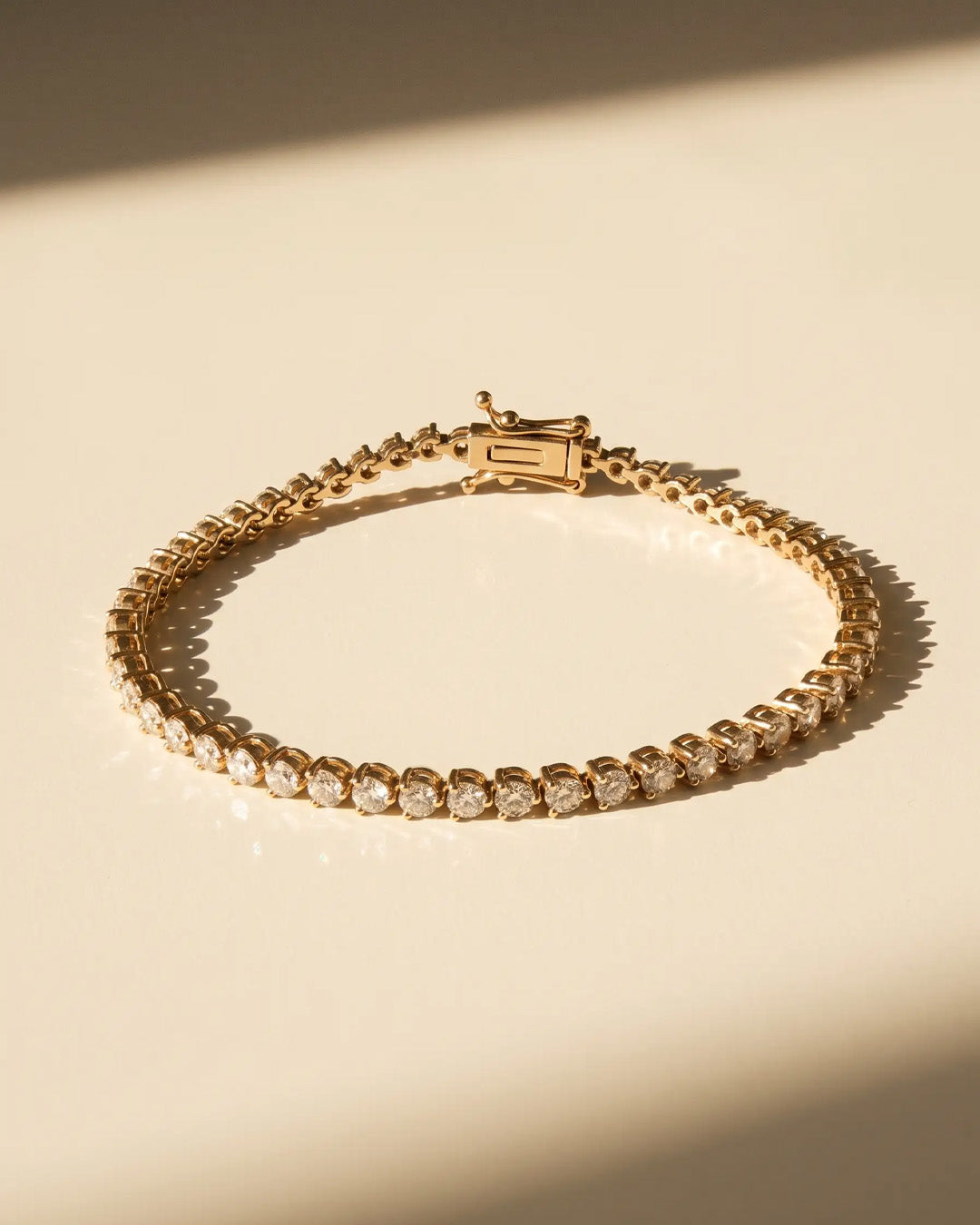
What color do you naturally reach for?
The color you return to naturally is usually the best place to begin.

Choosing jewelry for yourself should feel less like making a decision and more like recognizing something you already love.
This guide is not here to tell you what you should buy. It is here to help you notice what you are naturally drawn to: the pieces, details, proportions, and materials that already feel like you.

Jewelry is personal. Before thinking about carat weight, trends, or what someone else might choose, start with something much simpler: what catches your eye?
The pieces you return to often tell you something. A certain shape. A particular gold color. Something delicate, something bold, or perhaps something you cannot quite explain.
You do not need to know why yet.
Before comparing details, notice your first reaction. Personal taste often shows itself before logic has time to interfere.
What was the first piece you looked at? Shape, color, scale, stone, or simply a feeling.
Which piece did you go back to after looking at everything else? That second look matters.
Can you already picture yourself wearing it? Not for an occasion just as part of your life.
A piece can be beautiful and still not be right for your life. Think about how you imagine wearing it, how often you want to reach for it, and what you want it to bring to the moments you already have.

Some jewelry becomes part of your rhythm. You put it on in the morning and it stays with you through work, coffee, travel, dinner, and everything in between.
For a piece like this, comfort and versatility matter. It should feel natural with the things you already wear and easy enough to reach for without thinking twice.

Other pieces earn their place differently. Perhaps it is the shape, the scale, an unexpected detail, or simply a design you would recognize from across the room.
It does not have to disappear into everything else you own. Sometimes jewelry becomes personal precisely because it has a character of its own.

An engagement. An anniversary. A milestone. A gift to yourself after something worth remembering.
Jewelry has always had a way of becoming attached to particular moments in our lives. In these pieces, what you are choosing may eventually become more than the design itself it becomes part of the memory.
Before deciding what comes next, look at what you already reach for. Your habits often reveal your taste more clearly than any rule about what you are supposed to wear.
Maybe most of your pieces are yellow gold. Maybe everything is delicate, or perhaps you always end up choosing something with a little more weight. You may love clean symmetry, unusual shapes, white diamonds, black diamonds, or color.
None of these preferences needs to define you permanently. They are simply useful clues a starting point for understanding what already feels natural to you.
The color you return to naturally is usually the best place to begin.
Neither is more elegant. They simply communicate differently.
The shape you notice first often says more than the category name.
Sometimes color is not about matching. It is simply about attraction.
Jewelry is a broad word. A beautiful name, polished photography, or a high price does not necessarily tell you what a piece is made from, how it was constructed, or what you are actually paying for.
Fashion jewelry and fine jewelry can both be beautiful, but they are not the same category. The difference begins with the materials themselves and continues through the craftsmanship required to turn those materials into something made to be worn and lived with.
When you are paying fine-jewelry prices, you should be able to understand exactly what sits behind that price. The metal, the stones, the workmanship, and the information provided by the seller all matter.
Solid gold means gold is the material of the piece itself. Plated, vermeil, and gold-filled jewelry use gold differently, usually as a layer over another material.
Ask what karat the gold is and whether it is solid throughout. Those details affect durability, maintenance, and what you are actually purchasing.
Natural diamonds, laboratory-grown diamonds, natural gemstones, synthetic stones, and imitation materials are not interchangeable.
Two pieces may look similar at first glance while containing very different materials. Clear disclosure lets you understand what your money is actually buying.
Fine jewelry also contains skilled labor: design, proportion, stone setting, polishing, finishing, and the judgment required to bring all of those details together.
A piece should not only look beautiful when it is new. Construction matters because jewelry is meant to be worn, maintained, repaired, and lived with over time.
A trustworthy seller should make the important details clear: the metal, the karat, the stone type, the weight where relevant, and the materials used in the piece.
The more significant the purchase, the more reasonable it is to ask questions before deciding.
Gold is the material of the piece itself, not simply a surface coating.
Understand whether diamonds and gemstones are natural, laboratory-grown, synthetic, or imitation.
Setting, construction, finishing, and skilled labor are part of what gives fine jewelry its value.
You should know what your jewelry is made of before you decide what it is worth to you.
Fine jewelry is not defined by a brand name alone. It begins with real materials, skilled craftsmanship, and clarity about what you are receiving.
What exactly is the metal?
What karat is the gold?
Are the stones natural, laboratory-grown, synthetic, or imitation?
What diamond or gemstone weight is disclosed?
How was the piece constructed and set?
Can the piece be maintained or repaired over time?
By now, you may have considered how you live, what you already wear, the materials in the piece, the craftsmanship behind it, and what you are actually paying for. All of that matters.
Fine jewelry is not only a technical purchase. It is something you will see on your hand, around your neck, or on your wrist again and again. Personal connection belongs in the decision too.
Sometimes two pieces can make equally good sense on paper, yet one keeps pulling your attention back. There may not be a specification that explains why and there does not need to be.
Not the version of you a trend, occasion, or someone else suggests. The version you recognize immediately.
If you have looked at other pieces and your attention keeps returning to the same one, that is useful information too.
Not sitting perfectly in a jewelry box, but being worn, traveled with, remembered, and gradually becoming part of your own story.
Sometimes, the right piece simply feels like yours.
Trends change. Taste evolves. Life moves forward. The pieces that stay with us tend to be the ones that continue to feel personal long after the first excitement has passed.
A piece does not need to be timeless in the sense of looking like everything that came before it. It simply needs to keep meaning something to you.
If you can imagine wearing it often, remembering where it came from, and still enjoying it years from now, that may be enough reason to choose it.
The right piece is not necessarily the loudest, the newest, or the most expected. It is the one that earns a place in your life.
Sometimes, choosing jewelry is less about finding the perfect piece and more about recognizing the one that already feels like yours.